
Advice & Insights
Health tips from our specialists

Menopause and Dementia Risk: What the Evidence Really Shows
Quick answer: Menopause itself does not cause dementia, and current evidence shows HRT does not increase overall dementia risk. Some research suggests hormone therapy started early in the menopause transition may support brain health, though HRT is not a licensed dementia-prevention treatment. The picture is far more reassuring than headlines once suggested. If you have […]Quick answer: Menopause itself does not cause dementia, and current evidence shows HRT does not increase overall dementia risk. Some research suggests hormone therapy started early in the menopause...
Read article →

Why Your Skin Feels Different at Midlife: The Hormone Link
Quick answer: Falling oestrogen during perimenopause and menopause directly changes your skin. Lower oestrogen means less collagen, less moisture and weaker skin barrier function — leading to dryness, itching, new lines and even adult acne. The good news? Understanding the science helps you choose treatments that genuinely work. Have you looked in the mirror lately […]Quick answer: Falling oestrogen during perimenopause and menopause directly changes your skin. Lower oestrogen means less collagen, less moisture and weaker skin barrier function — leading to dryness,...
Read article →
Coarse Facial Hair After Menopause: Why It Happens
Quick answer: Coarse, dark facial hair at menopause is common and usually caused by a hormonal shift. As oestrogen falls, testosterone becomes more dominant, prompting fine facial hair to grow thicker and darker. This is called hirsutism. In most cases it’s harmless, and effective treatments — from prescription creams to hormone therapy — can help […]Quick answer: Coarse, dark facial hair at menopause is common and usually caused by a hormonal shift. As oestrogen falls, testosterone becomes more dominant, prompting fine facial hair to grow thicker...
Read article →
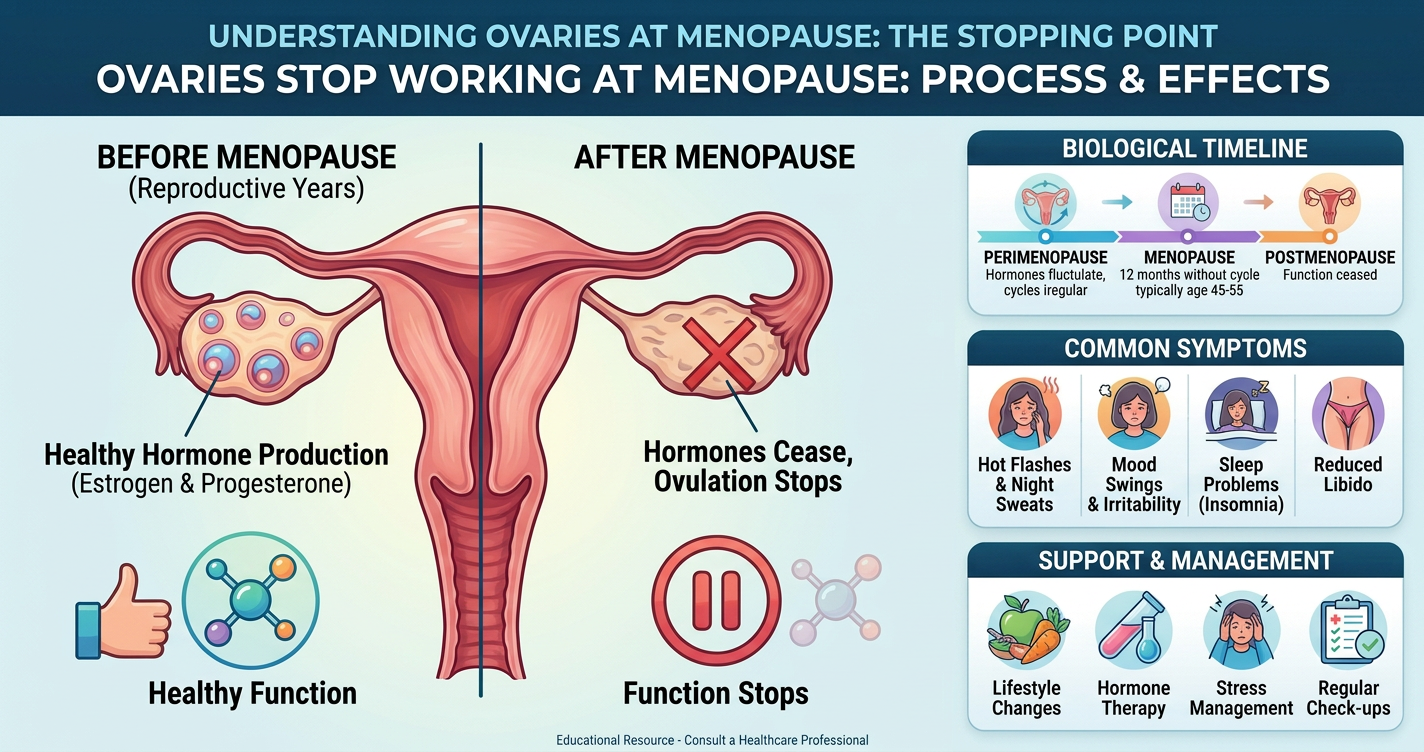
Do Ovaries Stop Working After Menopause?
Quick answer: Menopause doesn’t switch your ovaries off completely. Your ovaries carry on making small amounts of androgens, which your body turns into oestrogen in fat tissue and elsewhere. Hormone levels do drop — but it’s not as simple as flicking a switch. Many people picture menopause like a light going out — hormones on, […]Quick answer: Menopause doesn’t switch your ovaries off completely. Your ovaries carry on making small amounts of androgens, which your body turns into oestrogen in fat tissue and elsewhere....
Read article →

How Much Exercise Do You Need During Perimenopause?
Quick answer: During perimenopause and menopause, the UK Chief Medical Officers recommend at least 150 minutes of moderate aerobic activity per week, plus strength training at least twice a week. Strength training is the most important type of exercise at this life stage—cardio alone is not enough to protect your muscle mass, bones, and cardiovascular […]Quick answer: During perimenopause and menopause, the UK Chief Medical Officers recommend at least 150 minutes of moderate aerobic activity per week, plus strength training at least twice a week....
Read article →
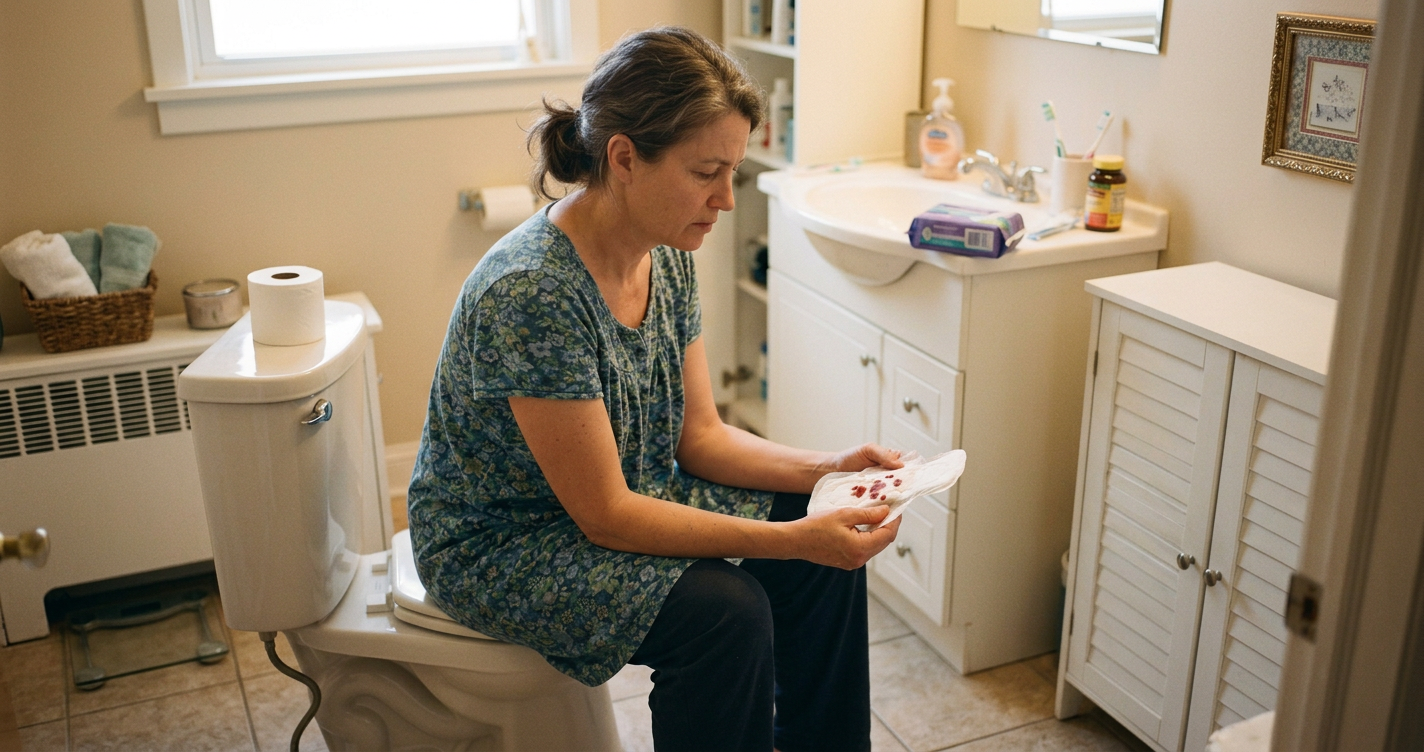
Hysterectomy and Menopause: What Happens If You Keep Your Ovaries?
Quick answer: A hysterectomy removes the uterus but does not automatically trigger menopause. If your ovaries remain intact, they continue producing oestrogen and you will still go through natural menopause — typically at the usual age. However, some research suggests ovarian function may decline slightly earlier after hysterectomy (Cooper et al., 2011). Published: Monday 27 […]Quick answer: A hysterectomy removes the uterus but does not automatically trigger menopause. If your ovaries remain intact, they continue producing oestrogen and you will still go through natural...
Read article →
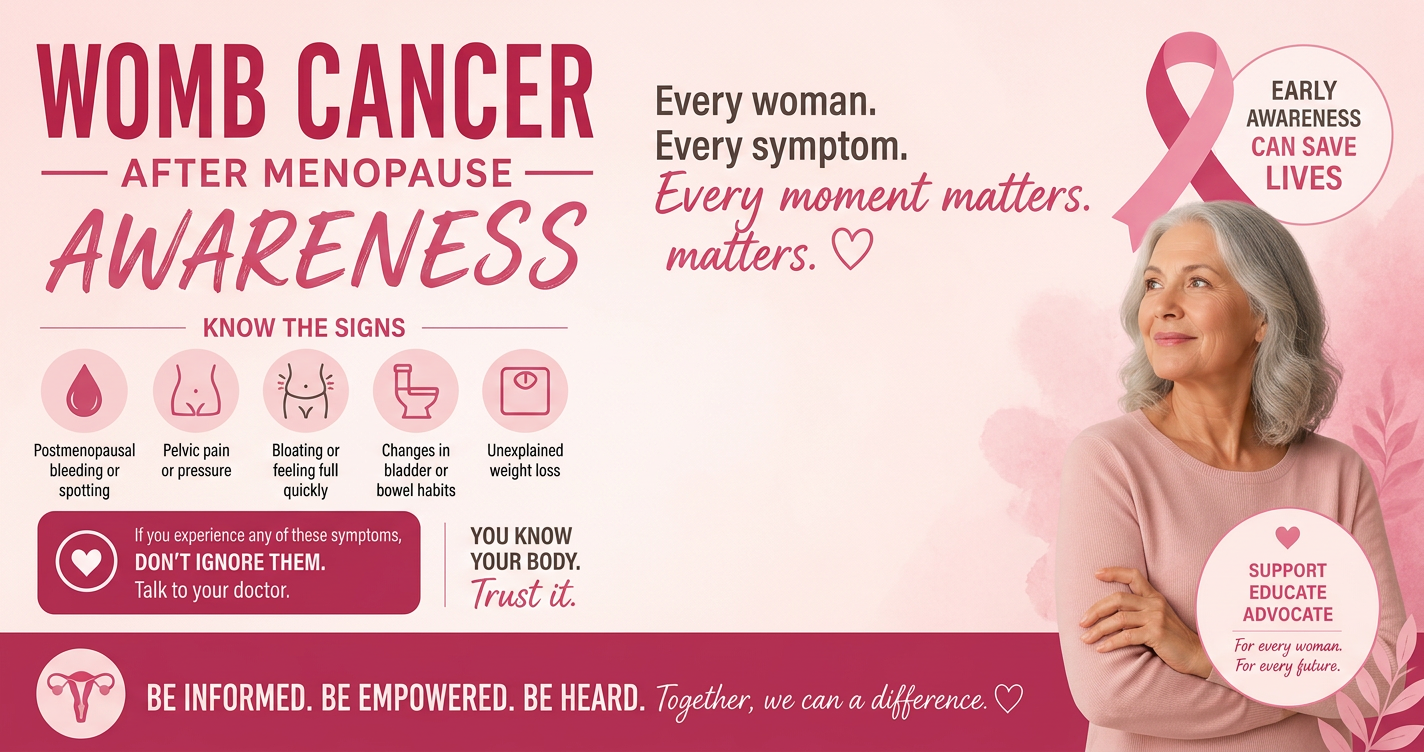
Understanding Endometrial Cancer Risks After Menopause
Womb Cancer After Menopause: Risk, Warning Signs & Protection TL;DR: Endometrial (womb) cancer is the most common gynaecological cancer in the UK, and the majority of cases occur after menopause. The single biggest modifiable risk factor is excess body weight, which drives oestrogen production independently of the ovaries. Never ignore postmenopausal bleeding — it’s the […]Womb Cancer After Menopause: Risk, Warning Signs & Protection TL;DR: Endometrial (womb) cancer is the most common gynaecological cancer in the UK, and the majority of cases occur after menopause....
Read article →
Irregular Bleeding in Perimenopause: What's Normal and What's Not
IIrregular Bleeding in Perimenopause: What’s Normal and What’s Not Perimenopausal bleeding can be heavier, lighter, or more erratic than anything you’ve experienced before. Here’s how to tell normal hormonal change from something that needs investigating — and why any bleeding after menopause should never be ignored. Irregular bleeding is common during perimenopause due to fluctuating […]IIrregular Bleeding in Perimenopause: What’s Normal and What’s Not Perimenopausal bleeding can be heavier, lighter, or more erratic than anything you’ve experienced before....
Read article →
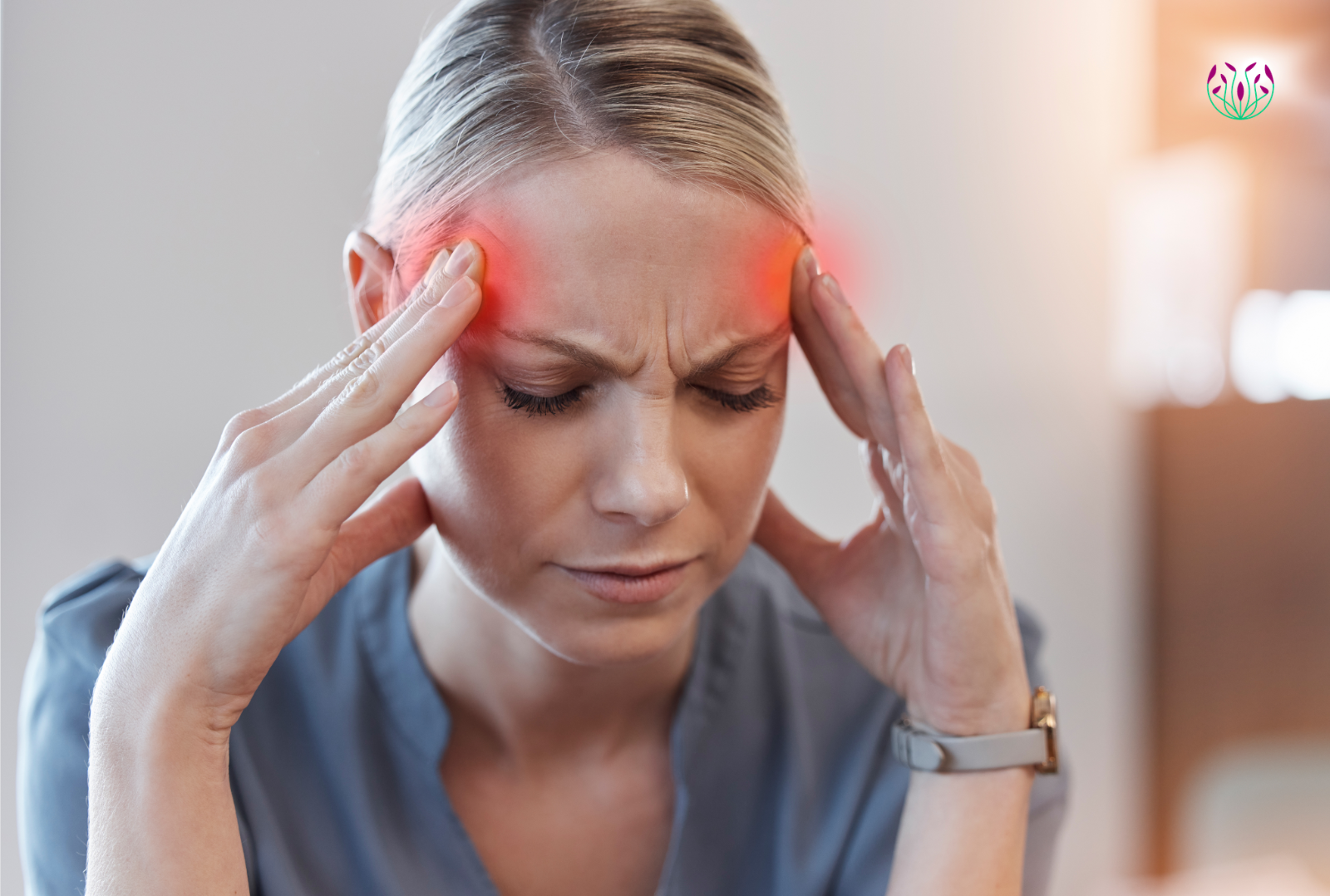
Hormonal Migraines and Menopause: Why They Change
Hormonal Migraines and Menopause: Why They Change TL;DR: Hormonal migraines are driven by oestrogen fluctuations. During perimenopause, erratic oestrogen levels cause many women to experience more frequent and severe migraines. After menopause, migraines often improve as hormones stabilise. Treatment options include triptans, CGRP antibody therapies, traditional preventatives, and carefully chosen HRT — with the best […]Hormonal Migraines and Menopause: Why They Change TL;DR: Hormonal migraines are driven by oestrogen fluctuations. During perimenopause, erratic oestrogen levels cause many women to experience more...
Read article →