
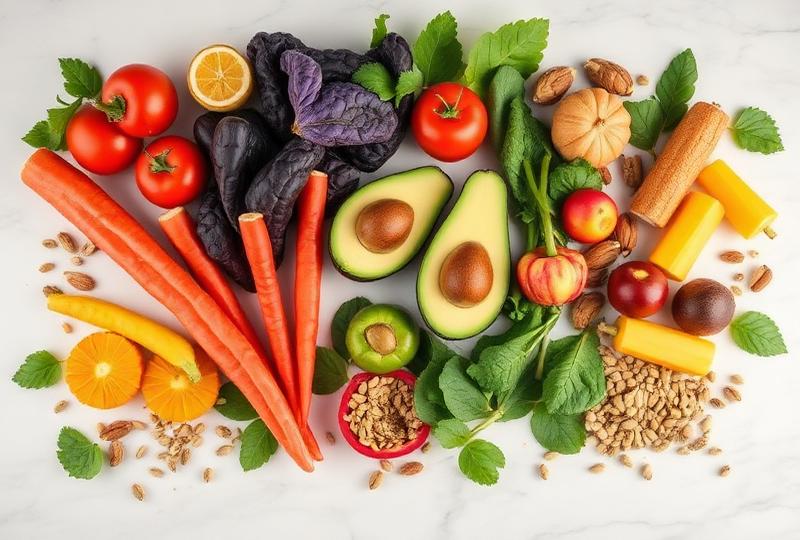
What you eat has a profound impact on your hormonal health. While nutrition alone won’t replace medical treatment when it’s needed, the right dietary choices can support your body through hormonal changes, reduce inflammation, and help you feel more like yourself.
The Gut-Hormone Connection
Your gut microbiome plays a critical role in hormone metabolism. A collection of gut bacteria known as the “estrobolome” is directly responsible for metabolising oestrogen. When your gut health is compromised — through poor diet, stress, or antibiotic use — it can lead to either excess or insufficient oestrogen circulating in your body.
Supporting gut health through fermented foods, prebiotic fibre, and a diverse plant-based diet is one of the most impactful things you can do for hormonal balance.
Foods That Support Hormonal Health
- Cruciferous vegetables: Broccoli, cauliflower, Brussels sprouts, and kale contain compounds like DIM (diindolylmethane) that support healthy oestrogen metabolism.
- Omega-3 rich foods: Salmon, sardines, walnuts, and flaxseeds help reduce inflammation and support brain health — both crucial during hormonal transitions.
- Phytoestrogens: Soy, flaxseeds, and sesame seeds contain plant compounds that can gently modulate oestrogen activity in the body.
- Protein at every meal: Adequate protein supports stable blood sugar, which in turn helps regulate insulin and cortisol — two hormones that directly affect oestrogen and progesterone.
- Magnesium-rich foods: Dark chocolate, almonds, spinach, and avocado provide magnesium, which supports over 300 enzymatic processes including hormone production.
Foods to Minimise
Certain dietary patterns can worsen hormonal symptoms:
- Excess sugar and refined carbohydrates: These spike insulin, which can disrupt the delicate balance of sex hormones.
- Alcohol: Even moderate consumption can impair oestrogen metabolism and worsen sleep disturbances during perimenopause.
- Highly processed foods: Often contain endocrine-disrupting chemicals from packaging and additives that can interfere with hormone signalling.
- Excessive caffeine: While moderate coffee is fine for most people, too much can elevate cortisol and exacerbate anxiety and hot flushes.
The Blood Sugar Connection
One of the most underappreciated aspects of hormonal health is blood sugar regulation. When blood sugar spikes and crashes throughout the day, it triggers cortisol release, which can suppress progesterone production and worsen symptoms like anxiety, fatigue, and weight gain.
Simple strategies like eating protein and healthy fats before carbohydrates, avoiding sugary breakfasts, and not skipping meals can dramatically improve how you feel day to day.
Supplements Worth Considering
While whole foods should always be the foundation, certain supplements can fill nutritional gaps:
- Vitamin D: Essential for immune function, bone health, and mood regulation. Most people in the UK are deficient.
- Magnesium glycinate: Supports sleep, reduces muscle tension, and aids hormone production.
- Omega-3 (EPA/DHA): Anti-inflammatory support, particularly beneficial if you don’t eat oily fish regularly.
- B vitamins: Support energy metabolism and are involved in the production of neurotransmitters that regulate mood.
A Personalised Approach
There’s no one-size-fits-all diet for hormonal health. Your nutritional needs depend on your age, hormonal status, activity level, and individual health goals. At Amber Green Clinics, our nutrition specialists work alongside our hormone experts to create integrated plans that address the whole picture.